


The wisdom of Agent K
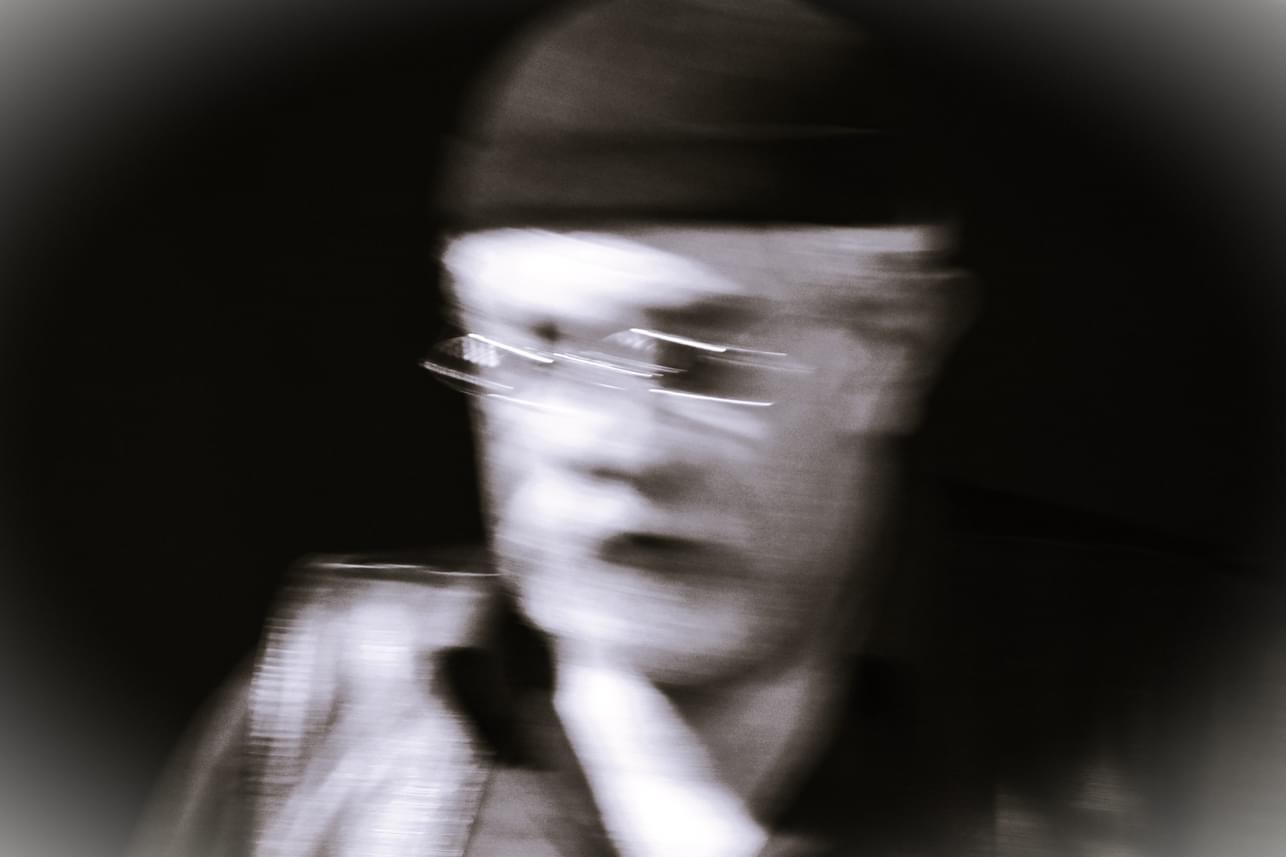
The wisdom of Agent K.
It's curious how in existential films we often fail to find answers, while in science fiction films, an almost naive, unreal cue is enough to point the way to reality. K and the author of Qoheleth share the same intellectual and philosophical depth and, above all, an overwhelming lucidity.
I admire K's sobriety, partly due to the demands of the script (obviously). I admire Q's and can only endorse it as a one-eighteen, concisely impeccable.
i'm surely not the first one to remember that the desperate desire to understand how the world works and how human beings behave is unpostponable from earliest childhood. Only the breadth of what we want our world to be changed.
From an early age, we question what happens around us or what happens to us. Children are almost never satisfied with simply doing what they're asked. They want to understand why. They want to discover its meaning. It's curious how adults often do things to hide this damned meaning. A child's purity goes hand in hand with his curiosity. By pestering adults with questions, he wants to bring some order to the often frightening world around him. If not for that, it's to learn to name the sensations he's beginning to experience and feel without being overwhelmed by them, which is exactly what he did when he cried and screamed in his crib.
We're children as adults too, aren't we? We can cry and scream when we can't ask questions, and we can ask questions and then cry and scream.
A child is a philosopher ante litteram and candid in his intentions.
We adults are not! There's no need to explain why.
The infinite question of meaning and being, endlessly revisited by philosophy, corresponds to a profound (sick) need for intimacy; to the desire to understand what it means to live, how to react in the face of difficulties, how to love and be loved.
It's not a sterile accumulation of information or the practical application of logical concepts. You learn with that stuff, like with scales and arpeggios in music. The problem is that we have to give a damned meaning to suffering, and so logical information, scales, and arpeggios, even those hard-won, are no longer enough. We can only discover ourselves by facing the infinite variations of life and music, and precisely because the variables are infinite, the laws of logic are no longer needed. Do we need control? That's never enough. You need two stones to fly, and the most important is the arrival stone, which is then a new departure. It's the time of flight, which, obviously, is dangerous.
When you set out to discover yourself and the roots of your being, you walk the paths of an intricate and irrational forest where reality is too complex to take the form of a perfect system.
In life, unfortunately, things almost never add up. Truth doesn't exist when we face the conflicts that shape our existence; contradiction exists, often fueled by the fear of discovering our own negative essence, dramatically hidden by the terror of being unable to bear the emotions we haven't been able to name.
And this happens when we venture into the dark world of our past, searching for that particular moment, that point where everything began. Getting there is painful, and painful. Even worse, we realize that understanding isn't enough to change. In fact, very often, when we understand certain things, we also become aware of the arduousness of the journey, not only in the face of what has been, but also of what will be. It is then that suffering overwhelms us. Because we understand that the past never passes, that we can't start all over again, that some mistakes are forever paid for, that sometimes there's nothing left but acceptance...
The more we know, the more we suffer. But it must be done! Because knowledge puts us in touch with our fragility and forces us to accept our limits. It allows us to identify the origin of fear so we can circumscribe it, once we've learned that it can't be erased.
Camus vs. Jaspers.
They're both right, but in the end, K. wins, simply because he understood which questions should be asked and which shouldn't.
I've noticed that in all my unworthy and, fortunately, rare writings (with thanks to those who have inspired me), I always leave a fundamental concept for last, strictly my own and implacably true:
Knowing does not mean dominating, and, above all, dominating will never mean knowing, because knowledge implies humility, not humiliation!
_______________________________________________________________________________
La saggezza dell'agente K.
Curioso come nelle pellicole esistenzialmente impegnate spesso non riusciamo a trovare risposte mentre nei film di fantascienza sia sufficiente uno spunto irreale quasi ingenuo per determinare la giusta direzione del reale. K e l'autore del Qohelet hanno la stessa profondità intellettuale e filosofica e, soprattutto, una lucidità travolgente.
Di K ammiro la sobrietà, dovuta anche a esigenze di copione, (ovvio). Del Q ammiro e non posso che sottoscrivere uno-diciotto, sinteticamente ineccepibile.
Non sono certamente il primo a ricordare che il disperato desiderio di capire come funziona il mondo e come si comportano gli esseri umani è improcrastinabile fin dalla più tenera infanzia. Cambia solo l'ampiezza di quello che vogliamo che sia il nostro mondo. Fin da piccoli, ci interroghiamo su quello che accade intorno a noi o su quello che ci succede. I bambini non si accontentano quasi mai di fare quello che viene loro chiesto. Vogliono capirne il perché. Vogliono scoprirne il significato. Curioso come gli adulti spesso le cose le facciano per nasconderlo, questo maledetto significato. La purezza del bambino va di pari passo con la sua curiosità. Assillando gli adulti di domande vuole mettere un po' di ordine nel mondo che lo circonda e che spesso fa paura. Se non per quello è per imparare a dare un nome alle sensazioni che comincia a provare e a sentire senza essere travolto dalle emozioni, che poi era quello che faceva quando piangeva e gridava in culla.
Siamo bambini anche da adulti no? Possiamo piangere e gridare quando non possiamo fare domande e possiamo fare domande per poi piangere e gridare.
Il bambino è filosofo ante litteram e candido nei suoi intenti.
Noi adulti no! Inutile puntualizzare il perché.
L'infinita questione del senso e dell'essere, riproposta senza fine dalla filosofia, corrisponde a un (malato) profondo bisogno di intimo; al desiderio di capire cosa vuol dire vivere, come reagire di fronte alle difficoltà, come amare ed essere amati.
Non è accumulazione sterile di informazioni o applicazione pratica dei concetti logici. Con quella roba ti fai le ossa, come con le scale e gli arpeggi in musica. Il problema è che dobbiamo dare un maledetto senso alla sofferenza e quindi le informazioni logiche, le scale e gli arpeggi, anche duramente acquisiti, non bastano più. Riusciamo a scoprire noi stessi solo affrontando le infinite varianti della vita e della musica e proprio per il fatto che le variabili sono infinite allora le leggi della logica non servono più. Serve il controllo? Quello non basta mai. Servono due pietre per poter volare e la più importante è quella di arrivo che è poi una nuova partenza. È il tempo del volo che, ovviamente, è pericoloso.
Quando si parte alla scoperta di se stessi e delle radici del proprio essere ci si incammina per i sentieri di un bosco intricatissimo e irrazionale in cui la realtà è troppo complessa per avere la forma di un sistema perfetto. Nella vita, purtroppo, i conti non tornano quasi mai. Non esiste la verità quando si affrontano i conflitti che scandiscono la nostra esistenza; esiste la contraddizione, spesso alimentata dalla paura di trovare la propria essenza negativa, drammaticamente celata per il terrore di non sopportarne le emozioni a cui non siamo stati capaci di dare un nome.
E questo accade quando ci si avventura nell'oscuro mondo del proprio passato, alla ricerca di quel momento particolare, di quel punto in cui tutto sarebbe cominciato. Arrivarci è dolore, e tanto. Ancor peggio, ci accorgiamo che non basta capire per cambiare. Anzi molto spesso, quando si capiscono alcune cose, si acquisisce poi anche la consapevolezza della asperità del cammino non solo di fronte a ciò che è stato, ma anche a ciò che sarà. È allora che la sofferenza ci sommerge. Perché si capisce che il passato non passa mai, che non si può ricominciare tutto da capo, che alcuni errori si pagano per sempre, che talvolta non resta altro che l'accettazione...
Più conosciamo, più soffriamo. Ma va fatto! Perché la conoscenza ci mette in contatto con la nostra fragilità e ci obbliga ad accettare i nostri limiti. Ci permette di individuare l'origine della paura per poterla circoscrivere, una volta sperimentato che non si può cancellare.
Camus vs Jaspers.
Hanno ragione entrambi ma alla fine vince K, solo per il fatto di essere riuscito a capire quali sono le domande che vanno fatte e quali no.
Ho notato che in tutti i miei indegni e, fortunatamente rari, scritti (ringraziando coloro che mi hanno ispirato) lascio sempre per ultimo un concetto fondamentale, rigorosamente mio e implacabilmente vero:
Conoscere non significa dominare e, soprattutto, dominare non significherà mai conoscere perché la conoscenza implica umiltà e non umiliazione!
Comments