


about perception...
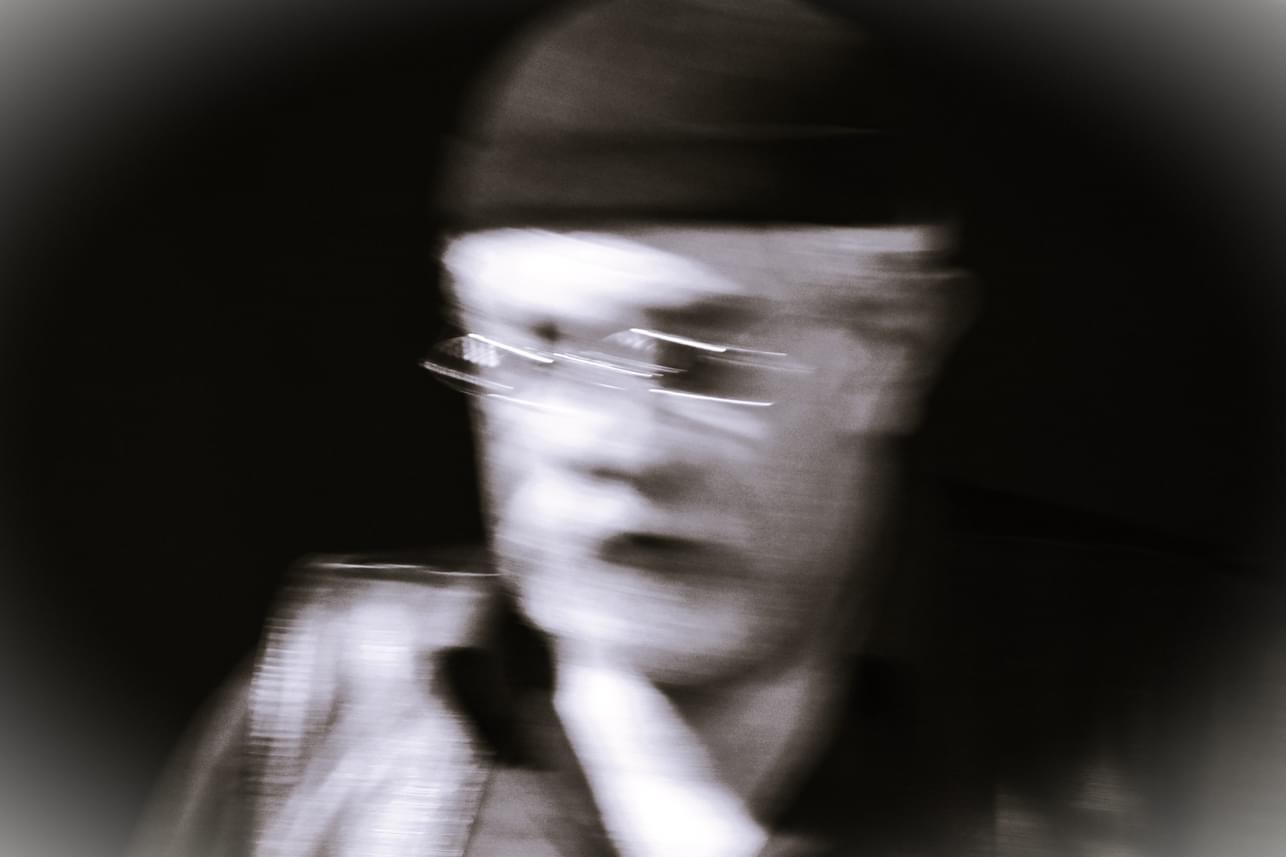
Ciò che siamo e la percezione relativa sono due cose ben diverse. In aggiunta, ciò che siamo è percepito essenzialmente da altri, dato e non concesso che gli altri abbiano capito bene quello che noi siamo e come ci poniamo all'esterno. Meglio se in corrispondenza, sennò le cose si complicano. Ciò che noi percepiamo di noi stessi è profondamente influenzato dal nostro stato d'animo e la stessa cosa accade agli altri che devono percepire noi.
Con buona pace di Pirandello, le cose sono decisamente più complesse e il sistema di giudizio che ne consegue estremamente articolato e influenzabile. Quindi NON controllabile e, di conseguenza, NON può essere un problema, solo per il fatto che non ha una soluzione. "Ciò che siamo" non ha praticamente senso, se non, geometricamente parlando, come punto intermedio di una linea (retta?) che abbiamo deciso di percorrere, la cui oggettiva positività dipende da noi e dovrebbe essere incurante dei giudizi degli altri. Ogni deviazione corrisponde a una nostra scelta e ogni scelta che facciamo aiuta a definire un percorso che può o meno coincidere con altri. Se non succede non è sempre colpa nostra. Quindi piantiamola di preoccuparci dei giudizi altrui... C'è sempre qualche stronzo che non ha capito nulla! (Segue)
What we are and how we are perceived are two very different things. Moreover, what we are is essentially perceived by others—assuming, and not taking for granted, that others have actually understood who we are and how we present ourselves. Ideally, perception and reality should match; otherwise, things get complicated. What we perceive about ourselves is deeply influenced by our emotional state—and the same applies to those who perceive us.
With all due respect to Pirandello, things are far more complex, and the resulting system of judgment is extremely layered and easily influenced. Therefore, it’s NOT controllable and, as such, it can’t really be a problem—simply because it has no real solution. “What we are” practically has no fixed meaning, unless we see it geometrically, as a midpoint on a line (a straight one?) we’ve chosen to walk. Its objective value depends on us and ideally shouldn’t be affected by others' judgments. Every detour corresponds to a choice, and every choice we make helps define a path—one that may or may not align with others’. If it doesn’t, it’s not always our fault. So let’s stop worrying about what others think… There’s always an asshole who didn’t get it at all! (To be continued)
Comments